
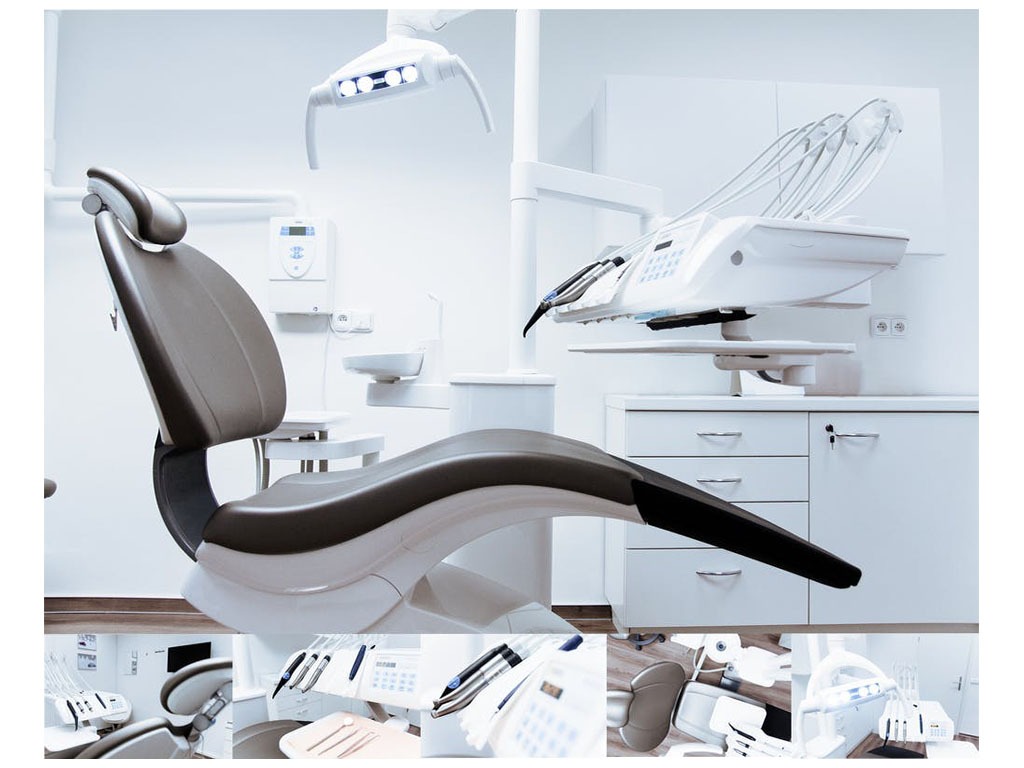
The healthcare industry continues to grow rapidly across many developing and developed economies. As hospitals, clinics, diagnostic centers, and pharmacies expand their services, the demand for reliable medical equipment suppliers has never been higher.
For entrepreneurs looking to enter the healthcare sector, starting a medical equipment distribution business can be both profitable and impactful.
With the right strategy, partnerships, and regulatory compliance, a medical equipment distribution company can become an essential link between manufacturers and healthcare providers.
Understanding the Medical Equipment Distribution Industry
Medical equipment distributors play a critical role in the healthcare supply chain. They source equipment from manufacturers and supply them to hospitals, clinics, laboratories, pharmacies, and other healthcare facilities.
These products may include:
- Diagnostic equipment
- Surgical instruments
- Hospital beds and monitoring devices
- Laboratory equipment
- Imaging systems
- Personal protective equipment (PPE)
A successful distributor ensures that healthcare providers have access to high-quality, reliable, and safe equipment needed for patient care.
Conduct Market Research
Before launching your distribution business, it is important to conduct thorough market research. Understanding the healthcare landscape in your region will help you identify opportunities and demand gaps.
Key areas to research include:
- The types of medical equipment most in demand
- Existing competitors and their product offerings
- Target customers such as hospitals, clinics, laboratories, and pharmacies
- Pricing trends and supply chain dynamics
Market research allows entrepreneurs to build a business model that responds to real healthcare needs.
Register Your Business and Obtain Required Licenses
Medical equipment distribution is a regulated industry. Entrepreneurs must ensure their business complies with national healthcare and pharmaceutical regulations.
Depending on the country, you may need to obtain:
- Business registration certificates
- Medical equipment distribution licenses
- Import permits for international equipment
- Regulatory approvals from health authorities
Compliance builds credibility and ensures your business operates legally within the healthcare system.
Build Strong Supplier Relationships
Reliable supplier partnerships are essential for a successful distribution business. Entrepreneurs should work with trusted manufacturers and reputable brands that meet international quality standards.
When selecting suppliers, consider:
- Product quality and certifications
- Availability and supply consistency
- Technical support and warranties
- Competitive pricing
Strong supplier relationships ensure consistent inventory and reliable product delivery to healthcare providers.
Develop an Efficient Distribution Network
A strong logistics and distribution system is crucial for delivering equipment safely and on time. Medical equipment often requires careful handling and proper storage conditions.
Entrepreneurs should invest in:
- Secure warehousing facilities
- Reliable transportation systems
- Inventory management systems
- Skilled logistics personnel
Efficient distribution improves customer satisfaction and strengthens business reputation.
Focus on Customer Relationships
Healthcare providers depend heavily on trustworthy suppliers. Building strong relationships with hospitals, clinics, and medical professionals can help establish long-term business partnerships.
Customer-focused strategies include:
- Providing product training and demonstrations
- Offering technical support and after-sales service
- Maintaining transparent pricing and communication
- Ensuring quick response to equipment needs
A reputation for reliability can become a powerful competitive advantage.
Invest in Industry Knowledge and Expertise
The medical equipment industry evolves rapidly as new technologies emerge. Entrepreneurs must stay informed about trends, innovations, and regulatory updates.
Continuous learning helps businesses:
- Introduce modern equipment solutions
- Offer better advisory services to clients
- Maintain compliance with industry standards
- Stay competitive in the healthcare market
Companies like TipTopng, with expertise in business consultancy, pharmaceutical distribution, medical equipment, and herbal medicine solutions, help bridge knowledge gaps and support entrepreneurs navigating the healthcare industry.
Develop a Strategic Marketing Plan
Marketing plays an important role in reaching potential healthcare clients. Entrepreneurs should promote their services through both traditional and digital channels.
Effective marketing strategies may include:
- Professional networking with healthcare institutions
- Industry conferences and exhibitions
- Digital marketing and online presence
- Educational seminars and product demonstrations
Strategic marketing helps build brand awareness and attract new customers.
Conclusion
Starting a medical equipment distribution business offers a promising opportunity for entrepreneurs interested in the healthcare sector. With proper market research, regulatory compliance, reliable supplier partnerships, and strong customer relationships, entrepreneurs can build a successful and sustainable business.
As the demand for quality healthcare continues to grow, companies like TipTopng remain committed to supporting businesses and healthcare providers through expert consultancy, pharmaceutical distribution, medical equipment solutions, and innovative healthcare services.