
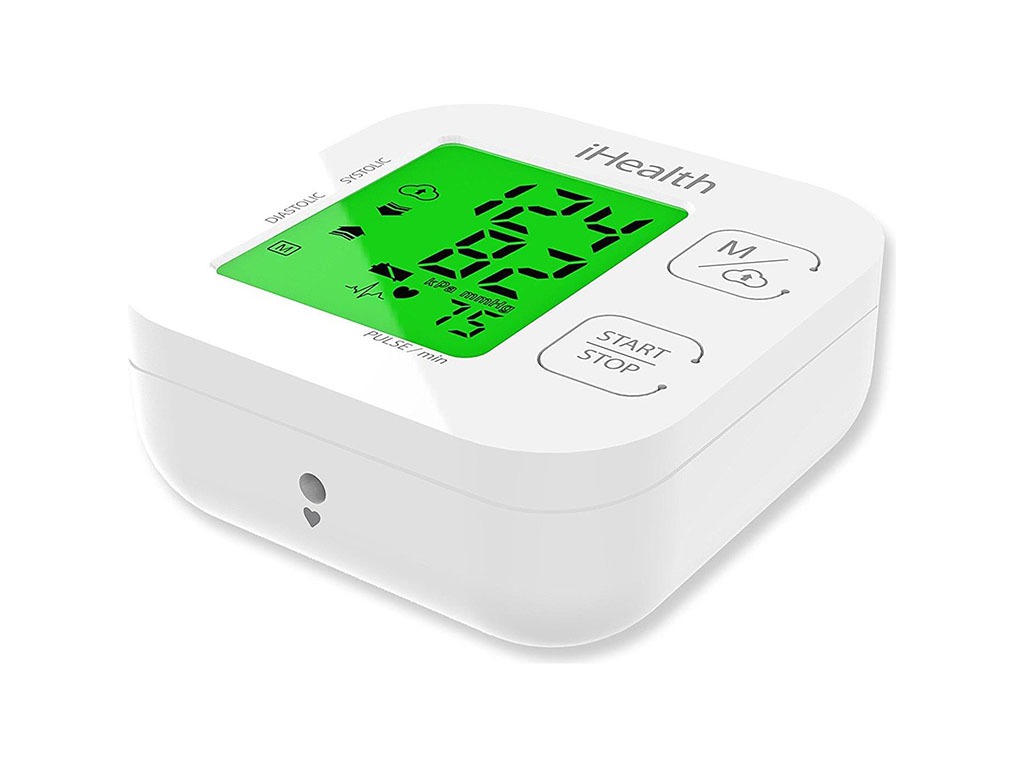
Cardiovascular diseases remain a leading cause of morbidity and mortality globally, making accurate and timely diagnosis a top priority for clinics and healthcare facilities. Early detection of heart conditions can significantly improve patient outcomes, reduce hospitalizations, and enhance overall healthcare efficiency.
One of the most effective tools in modern cardiovascular care is the combined blood pressure (BP) and electrocardiogram (ECG) monitoring device.
For clinics looking to provide high-quality care, investing in these advanced diagnostic tools is no longer optional—it is essential.
Understanding Combined BP and ECG Devices
A combined BP and ECG device integrates two critical cardiovascular monitoring functions into a single machine:
- Blood Pressure Monitoring: Measures systolic and diastolic pressures, along with pulse rate, helping clinicians assess vascular health and detect hypertension.
- Electrocardiogram (ECG) Analysis: Records the electrical activity of the heart, enabling early detection of arrhythmias, ischemia, and other heart conditions.
By providing a more comprehensive assessment in a single session, these devices save time, improve diagnostic accuracy, and enhance patient experience.
Key Reasons Clinics Should Invest
1. Early Detection of Cardiovascular Conditions
Many heart conditions, such as arrhythmias, ischemic heart disease, and hypertension, develop silently. Combined BP and ECG devices allow clinicians to detect abnormalities at an early stage, even before symptoms become noticeable. Early intervention can prevent complications, reduce the need for emergency care, and improve long-term patient outcomes.
2. Streamlined Workflow for Clinics
Using a single device for both BP and ECG measurements reduces the need for multiple appointments or separate equipment. This streamlines workflow, saves time for both staff and patients, and increases operational efficiency. Patients can receive comprehensive cardiovascular assessments during routine checkups, enhancing convenience and satisfaction.
3. Enhanced Accuracy and Reliability
Modern combined devices use advanced sensors and algorithms to provide precise measurements. By integrating blood pressure and ECG data, clinicians gain a more complete picture of a patient’s cardiovascular health. This reduces the risk of misdiagnosis and ensures that treatment plans are based on accurate, reliable information.
4. Better Patient Monitoring and Follow-Up
For patients with chronic cardiovascular conditions or those at high risk, continuous or regular monitoring is essential. Combined BP and ECG devices allow clinics to track trends over time, identify early warning signs, and adjust treatment plans promptly. This proactive approach improves disease management and reduces the likelihood of complications.
5. Cost-Effective Investment
While the initial cost of combined monitoring devices may be higher than standalone machines, the long-term benefits far outweigh the expense. Clinics can reduce the need for multiple devices, minimize repeat tests, and improve operational efficiency. Additionally, early detection and better management of cardiovascular conditions can lower healthcare costs for both the clinic and patients.
6. Support for Preventive Healthcare
Preventive healthcare is gaining importance as patients and healthcare systems aim to reduce disease burden and improve quality of life. Combined BP and ECG devices empower clinics to provide preventive cardiovascular screenings, identify at-risk individuals, and recommend timely lifestyle modifications or medical interventions.
Conclusion
Investing in combined blood pressure and ECG monitoring devices is a strategic move for clinics aiming to provide high-quality, efficient, and patient-centered cardiovascular care. These devices enhance diagnostic accuracy, support early disease detection, streamline clinical workflows, and contribute to better long-term health outcomes.
As the healthcare landscape evolves, clinics that adopt modern diagnostic tools not only improve patient care but also position themselves as trusted, forward-thinking healthcare providers.